
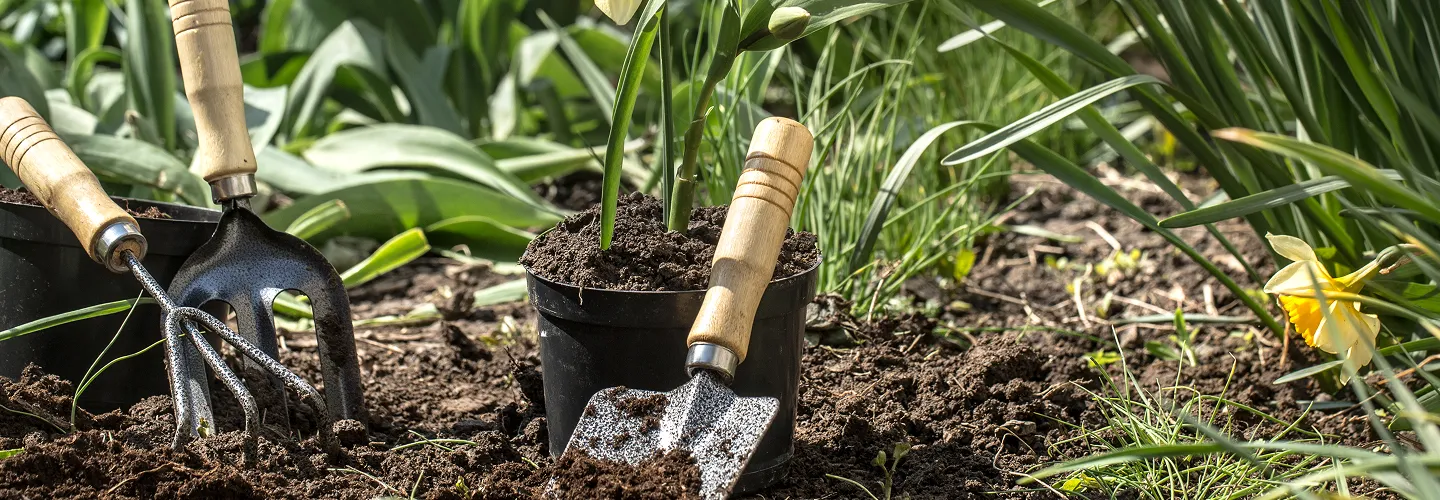
Fox Crossing Hedging Services
Choose our expert hedging services for precision, reliability, and lasting curb appeal—ensuring your property always looks its best while promoting healthy, vibrant growth.
Get a Free QuoteOur Fox Crossing Landscaping & Yard Care Services
When to Schedule Hedging in Fox Crossing, Arizona – Seasonal Guide
In Fox Crossing, Arizona, the timing of your hedging services can make a significant difference in the health and appearance of your landscape. Due to our region’s unique climate—marked by hot, dry summers and mild winters—hedging is best scheduled during the late winter to early spring months, before new growth begins. This allows plants to recover quickly and encourages lush, healthy foliage throughout the growing season. Neighborhoods near Veterans Oasis Park and along E Riggs Road often experience microclimates, so it’s important to consider your property’s specific conditions.
Local environmental factors such as the risk of late frosts, periods of drought, and varying soil types (from sandy loam to clay) all play a role in determining the best time for hedging. Properties with dense shade from mature trees or those situated near the Fox Crossing Community Center may require a different approach compared to open, sun-exposed lots. For more information on local environmental guidelines, visit the Town of Sudbury’s resource page.
Local Factors to Consider for Hedging in Fox Crossing
- Tree density and proximity to mature landscaping
- Terrain variations, including slopes and drainage patterns
- Seasonal precipitation and drought risk
- Municipal restrictions or HOA guidelines
- Soil composition and moisture retention
- Shade coverage from nearby structures or trees
Benefits of Hedging in Fox Crossing
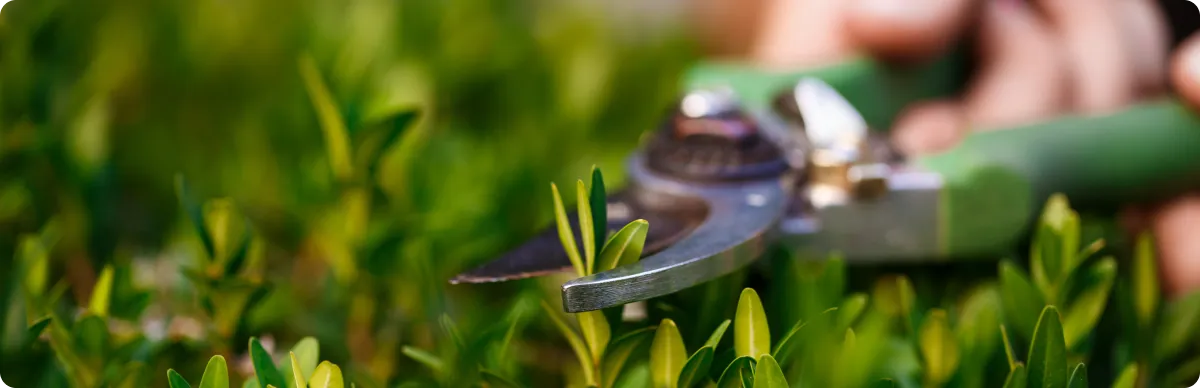
Enhanced Property Privacy
Improved Curb Appeal
Natural Noise Reduction
Increased Property Value
Low Maintenance Solutions
Eco-Friendly Landscaping
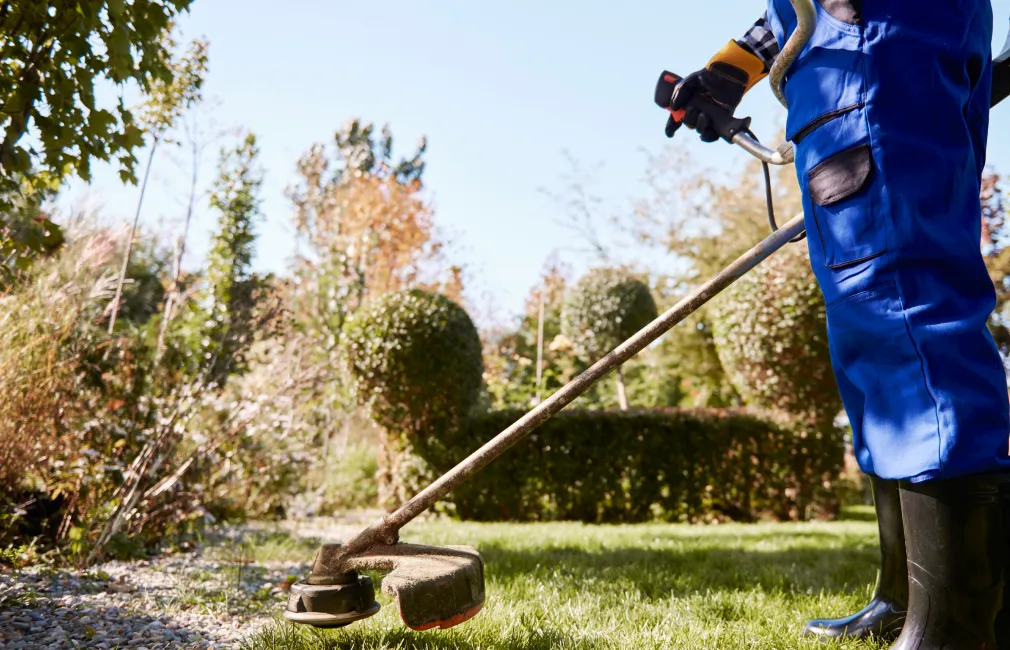
Fox Crossing Hedging Types

Boxwood Hedges
-
Privet Hedges
-
Yew Hedges
-
Laurel Hedges
-
Holly Hedges
-
Arborvitae Hedges
-
Beech Hedges
Our Hedging Process
Consultation and Planning
Site Preparation
Precision Trimming
Cleanup and Inspection
Why Choose Fox Crossing Landscape Services
-
Fox Crossing Homeowners Trust Us
-
Expert Lawn Maintenance
-
Reliable Seasonal Cleanup
-
Professional Team
-
Competitive Pricing
-
Personalized Service
-
Satisfaction Guarantee
Coordinating Hedging Services with Fox Crossing's Municipal Urban Forestry Programs
Hedging on residential and commercial properties in Fox Crossing requires awareness of municipal landscape expectations, particularly where hedges border public sidewalks, rights-of-way, or shared drainage corridors. The city's urban forestry program provides guidance on maintaining vegetation that interfaces with public infrastructure, including shrubs and hedges along parkways and street frontages. Property owners should verify whether hedge growth encroaches into the public right-of-way or obstructs pedestrian sightlines at intersections and driveway aprons, as these conditions may trigger code compliance review. Green waste generated from hedging—including clippings, branches, and woody debris—must be managed according to municipal bulk collection or disposal procedures. Residents should confirm current pickup schedules and bundling requirements through the city's public works division before placing hedge trimmings curbside.
Fox Crossing Urban Forestry
Official Website: Fox Crossing Urban Forestry
Fox Crossing Public Works & Utilities
Official Website: Fox Crossing Public Works & Utilities
How Fox Crossing's Low-Desert Heat and Alkaline Soils Affect Hedge Health
Fox Crossing sits within the Phoenix metro low-desert environment, classified under USDA Hardiness Zone 9b to 10a, where summer temperatures routinely exceed 110°F and soils tend toward high alkalinity. These conditions directly influence hedge species selection, shaping frequency, and irrigation demands. Key environmental factors affecting hedging in Fox Crossing include:
- Extreme radiant heat: Hedges planted adjacent to block walls, concrete driveways, and south- or west-facing exposures absorb reflected heat that accelerates moisture loss and can scorch new growth within hours of trimming during peak summer months.
- Alkaline and caliche-bearing soils: Much of the area features calcareous sandy loam or compacted subdivision fill over caliche hardpan, which restricts root penetration and limits nutrient uptake—particularly iron—leading to chlorosis in susceptible hedge species such as privet and boxwood.
- Monsoon wind and runoff exposure: July through September monsoon storms deliver intense, short-duration rainfall that can erode soil around hedge root zones and deposit debris into adjacent drainage channels and retention basins.
- Irrigation dependence: Hedges in Fox Crossing rely entirely on supplemental irrigation year-round. Drip emitters or bubblers must be calibrated to deliver water below the canopy without saturating the soil surface, which promotes salt accumulation in the root zone.
The Arizona Department of Water Resources encourages landscape designs that minimize water use, and hedge species selection should prioritize drought-adapted varieties suited to the region's aridity.
Navigating Fox Crossing's Zoning and Environmental Compliance for Hedge Installations
Hedge placement and maintenance in Fox Crossing may intersect with zoning setback requirements, sight-visibility triangles at intersections, and neighborhood appearance standards enforced through community development review. Property owners and managers should be aware of the following regulatory considerations:
- Sight-visibility compliance: Hedges near street corners, alley entrances, and driveway exits must not obstruct driver sightlines. The city may require trimming or removal of hedges that exceed height thresholds within designated visibility triangles—verify current standards through the planning and zoning office.
- Stormwater and drainage protection: Under Arizona DEQ stormwater regulations and the Clean Water Act, hedge clippings, soil, and organic debris must not enter storm drains, washes, or retention basins. Contractors should contain all trimmings on-site during and after hedging work.
- Pesticide and herbicide licensing: Any chemical treatment applied to hedges—including fungicides, insecticides, or growth regulators—must be performed by applicators licensed through the Arizona Department of Agriculture.
Fox Crossing Planning & Zoning
Official Website: Fox Crossing Planning & Zoning
Timing and Methods for Professional Hedging in Fox Crossing's Desert Climate
Hedging cycles in Fox Crossing must account for the extreme thermal environment and the distinct growing seasons of desert-adapted shrubs. Professional standards for hedge shaping in this region include the following considerations:
- Primary shaping window: Late February through mid-April offers the most favorable conditions, as temperatures remain moderate and most hedge species enter active spring growth. Shaping during this period allows rapid wound closure and canopy recovery before summer heat intensifies.
- Monsoon preparation: A secondary light trim in late June helps reduce wind resistance and removes deadwood before monsoon storms arrive, lowering the risk of branch breakage and debris scatter.
- Avoid mid-summer heavy cuts: Aggressive shaping between mid-June and early September exposes interior wood to sunscald and heat stress, which can cause dieback in species such as oleander, Texas sage, and Indian hawthorn.
- Tool sanitation: Sanitize shears and powered hedge trimmers between properties and between species to prevent transmission of fungal pathogens, which thrive in irrigated desert landscapes.
- Irrigation adjustment after trimming: Reduce irrigation volume slightly for one to two weeks following heavy shaping, as reduced leaf area decreases transpiration demand. Resume normal scheduling once new growth emerges.
Species commonly used for hedging in Fox Crossing—including oleander, Arizona yellow bells, Texas ranger, and compact varieties of desert willow—each respond differently to shaping intensity and should be trimmed according to their individual growth habits rather than a uniform schedule.
What Neighborhoods Do We Serve Throughout Fox Crossing, AZ?
- Sun Groves: Established lots with mature oleander and privet hedges that require regular shaping cycles to maintain property-line definition and prevent overgrowth into shared walkways.
- Chandler Heights Citrus: Larger parcels with mixed citrus and ornamental hedgerows where irrigation compatibility and root-zone management are critical during summer hedging work.
- Cooper Commons: Compact residential lots with HOA-maintained common-area hedges and individual property hedges along block walls that experience significant reflected heat.
- Paseo Trail: Properties adjacent to retention basins and drainage corridors where hedge clippings must be carefully contained to prevent debris from entering stormwater infrastructure.
- Lagos Vistoso: Newer subdivision development with recently planted hedge material in compacted fill soils, requiring attention to establishment irrigation and formative shaping during the first several growing seasons.